Indoor office plants may live inside climate-controlled buildings, but summer still changes the conditions around them. Stronger sunlight, warmer window glass, longer daylight hours, air-conditioning, lower indoor humidity, and shifting office routines can all affect plant health.
An office plant that looked balanced in spring may begin to droop, develop brown edges, lose leaves, or show uneven growth during hotter months. These changes do not always mean the plant is failing. Often, they signal that watering, placement, airflow, or maintenance needs to be adjusted as the season changes.
Hotter weather can make soil dry faster, particularly near sunny windows, glass walls, or warm afternoon rooms. However, automatically adding more water can create a different problem. Some containers hold moisture longer than expected, while air-conditioned offices can create cool areas where evaporation slows.
Important factors include:
A professional plant-care routine looks at these variables together. The goal is not simply to water more during summer, but to give each plant the amount it actually needs.
Summer sunlight can be more intense and remain in the office longer each day. A plant placed near a window may suddenly receive harsher exposure than it did during spring, especially when reflected heat builds against the glass.
At the same time, air-conditioning can send cool, dry air directly across foliage. This combination of heat near windows and cold airflow from vents may cause browning, curling, leaf drop, or uneven growth.
This is why summer plant care should account for changing light, room temperature, soil moisture, and airflow rather than relying on the same routine year-round.
Moving or rotating an office plant may sometimes be necessary when a location becomes too bright, too dry, or too exposed to temperature swings.
Hotter months can also make plant stress easier to overlook until a visible decline appears. Dust may settle on leaves, moisture imbalance can affect soil conditions, and stressed plants may become more vulnerable to pest or disease problems.
A careful maintenance visit may include:
Professional plant care may include watering, fertilizing, dusting, pest and disease protection, pruning, and replacement support when needed. Consistent inspection helps identify small changes before they affect the wider display.
Indoor plants are still influenced by what happens outside the building. Hot weather may change how often doors open, how hard cooling systems run, how much sunlight enters through windows, and how employees use blinds or shades.
These changes can make one part of the office warmer, darker, drier, or more humid. Plants in lobbies, conference rooms, reception areas, and window-lined offices may therefore respond differently even when they are in the same building.
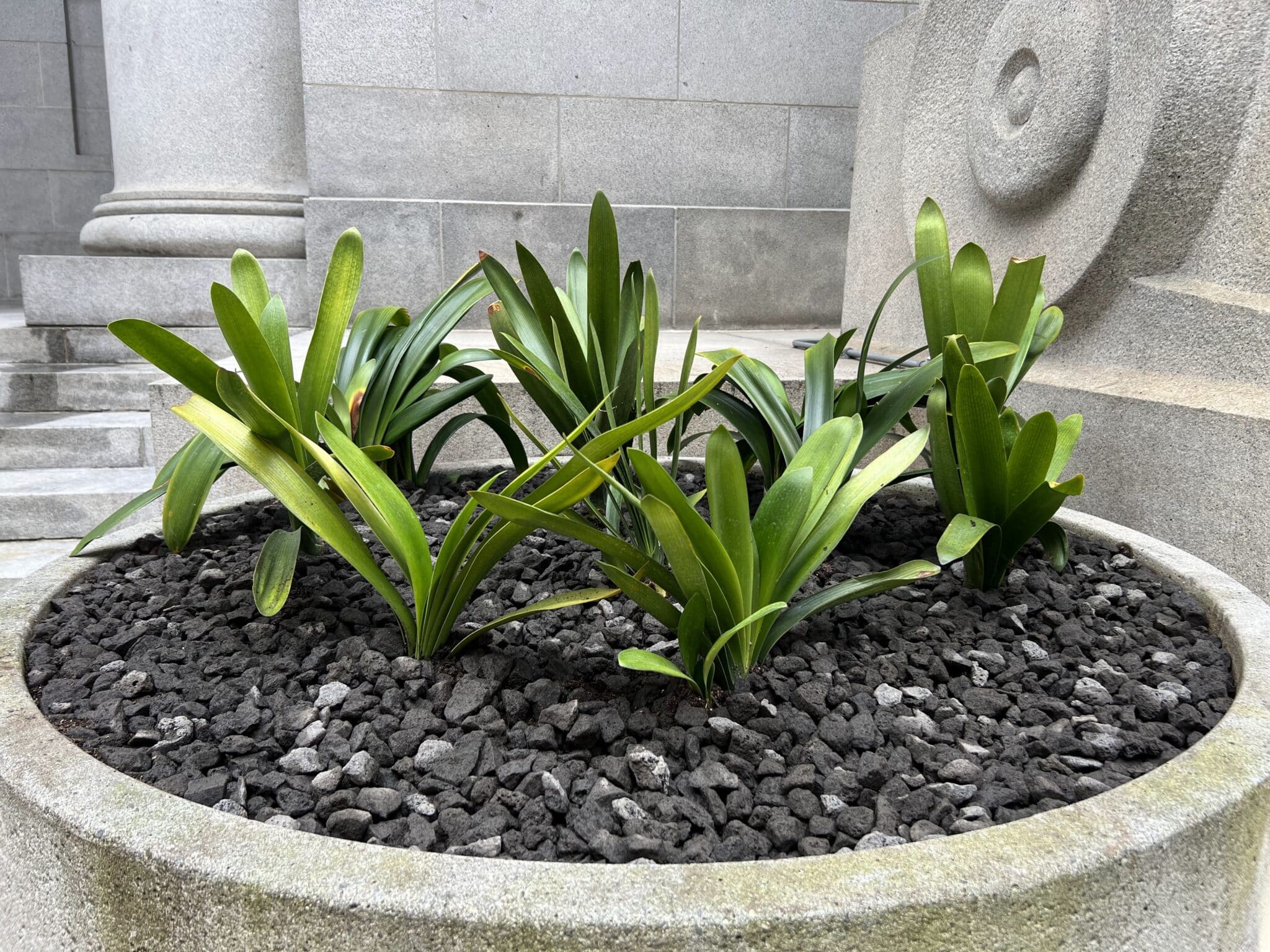
The relationship between interior and exterior design also matters. Well-maintained commercial planters display how plant selection, placement, weather exposure, and consistent maintenance influence whether greenery continues to look polished.
For indoor displays, the same principle applies. Plant health depends on matching the species and container to the actual conditions of the workspace.
A strong office plant program does not treat every month the same way. Seasonal care helps protect the original design by responding to changes in light, heat, airflow, moisture, and growth.
A complete summer-focused approach may include:
This type of consistent care helps offices avoid the gradual decline that can make greenery look tired, uneven, or neglected.
The goal is not to overreact to every yellow leaf. It is to recognize patterns, understand what changed in the environment, and make thoughtful adjustments before stress becomes severe.
Professional maintenance can be especially valuable in offices with many plant species, varied light levels, living walls, leased plants, or high-visibility displays. Each area may have different needs, and summer conditions can expose weak placements or inconsistent care that were less noticeable earlier in the year.
When heat, sunlight, and air-conditioning begin to affect your indoor plants, expert care can help restore balance. Contact The Wright Gardner for professional office plant design and maintenance focused on healthy, polished greenery throughout the year.
Shorter fall days change the growing conditions inside commercial spaces. As daylight hours decrease, office…
Growth changes the way a workplace needs to function. Teams expand, departments move, reception areas…
A commercial space communicates something about a business before anyone speaks with an employee. Lobbies,…
Conference rooms are built for focus, discussion, problem-solving, and decision-making, yet many of them feel…
Holiday plant decor can change the character of a commercial space without requiring permanent design…
Corporate events often take place in spaces designed for function rather than atmosphere. Conference rooms,…