
Exterior greenery works hard on a commercial property. Planters frame entrances, soften concrete-heavy spaces, guide foot traffic, and shape a visitor’s first impression before anyone reaches reception. These displays also face wind, changing temperatures, direct sun, vehicle emissions, irrigation shifts, and frequent contact from employees, customers, and deliveries.
Smart exterior plant care accounts for both horticultural needs and daily business activity. The most reliable programs combine appropriate plant selection, consistent watering, pruning, fertilization, cleaning, pest and disease prevention, seasonal refreshes, and timely replacement. Professional oversight keeps each task coordinated while the property remains attractive.
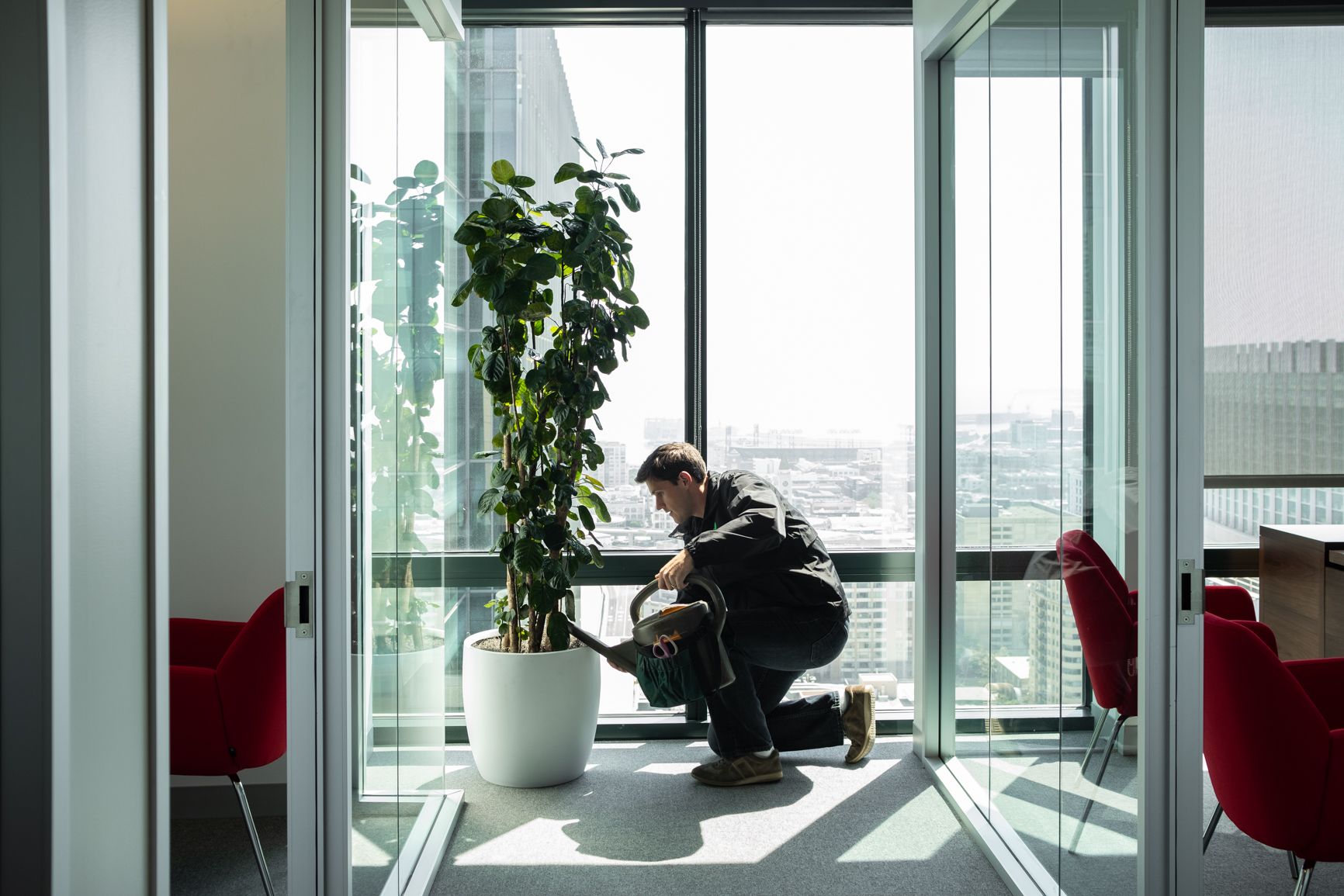
Match Plant Placement To Traffic And Exposure
A successful exterior design begins with location. Plants must fit available sunlight, wind exposure, container depth, building orientation, and the way people move through the property. A large planter can become an obstacle if it narrows a walkway or blocks driveway sightlines.
Important placement factors include:
- Entrance clearance for customers, deliveries, and accessibility
- Sun and shade patterns across different times of day
- Wind tunnels between buildings or around elevated terraces
- Heat reflected from glass, pavement, walls, and parked vehicles
- Access for watering, pruning, cleaning, and plant replacement
The principles behind smarter plant placement apply outside as well as indoors. Designers consider how greenery interacts with architecture, movement, and visibility. Proper positioning gives plants suitable growing conditions while allowing the surrounding space to function efficiently.
Build A Care Schedule Around Actual Plant Needs
Busy properties often rely on fixed operational schedules, but plants do not always decline on a predictable calendar. Container size, species, drainage, weather, and exposure determine how quickly soil dries and how often growth needs attention. One planter may receive full afternoon sun while another stays shaded beneath an overhang.
Professional technicians evaluate moisture before watering rather than assuming every container needs the same amount. They also adjust fertilization, pruning, and seasonal care according to plant performance. This prevents a one-size-fits-all routine from leaving some plants waterlogged while others become drought-stressed.
Scheduled visits create consistency as conditions change. Technicians can notice leaf discoloration, compacted soil, blocked drainage, or declining growth before the display loses its polished appearance.
Protect Planters From High-Use Property Conditions
Commercial entrances, patios, roof decks, street-fronts, and courtyards experience more wear than quiet residential spaces. Bags, carts, equipment, pets, cleaning crews, and delivery traffic may brush foliage or shift containers. Dust and debris can also build quickly beside roads or heavily used walkways.
A practical maintenance program may include:
- Trimming foliage away from paths, signs, doors, and seating
- Removing dead, damaged, or declining plant material
- Cleaning leaves, containers, and surrounding hardscape
- Checking drainage openings and soil levels after storms
- Inspecting for plant pests, disease, and physical damage
These tasks support health and presentation. Stable containers, clear walkways, and controlled growth reduce safety concerns while preserving the design. Professional service also keeps maintenance work coordinated with business hours and property access requirements.
Use Seasonal Refreshes To Preserve Curb Appeal
Exterior displays change as weather, daylight, and plant growth shift. A design that performs well in spring may need different watering, pruning, or plant material by late summer. Seasonal color can also fade, leaving entrances less vibrant during important periods for visitors or customers.
Thoughtfully designed exterior planters help frame entrances and create a welcoming transition into the building. Their impact depends on continued care. Periodic replacement and refreshment allow damaged, declining, or seasonally unsuitable material to be updated without redesigning the entire property.
Seasonal planning may involve:
- Replacing annual color as growing conditions change
- Adjusting irrigation during hotter, cooler, or wetter periods
- Pruning overgrowth before it affects circulation or signage
- Reviewing containers for fading, cracks, movement, or drainage trouble
- Updating plant combinations to maintain balanced color and texture
Planning prevents last-minute corrective work and keeps the exterior consistent.
Connect Design, Maintenance, And Long-Term Value
Exterior plant care is most efficient when design and maintenance are treated as one continuous service. Plant selection affects watering needs. Container choice affects drainage and root space. Placement affects sun, wind, and physical wear. Maintenance findings should therefore inform future replacements and design adjustments.
Professional care may include outdoor planter design, installation, periodic replacement, watering, fertilization, trimming, pruning, plant pest control, disease prevention, soil protection, and plant cleaning. Technicians can track which areas dry quickly, receive repeated damage, or struggle with exposure. Those observations support better long-term decisions.
This continuity is particularly valuable for multi-entrance offices, retail properties, courtyards, roof decks, patios, and street-facing locations. Property teams need not rely on staff to notice every change or manage specialized horticultural work.
Smart exterior plant care protects more than individual plants. It preserves curb appeal, supports safer circulation, and keeps the business environment looking intentional. With regular monitoring and timely adjustments, exterior greenery can remain healthy and professional despite weather, traffic, and changing seasonal demands.
Keep Every Arrival Looking Well-Planned
Contact The Wright Gardner for exterior plant design, installation, maintenance, seasonal refreshes, and long-term care tailored to busy commercial properties.