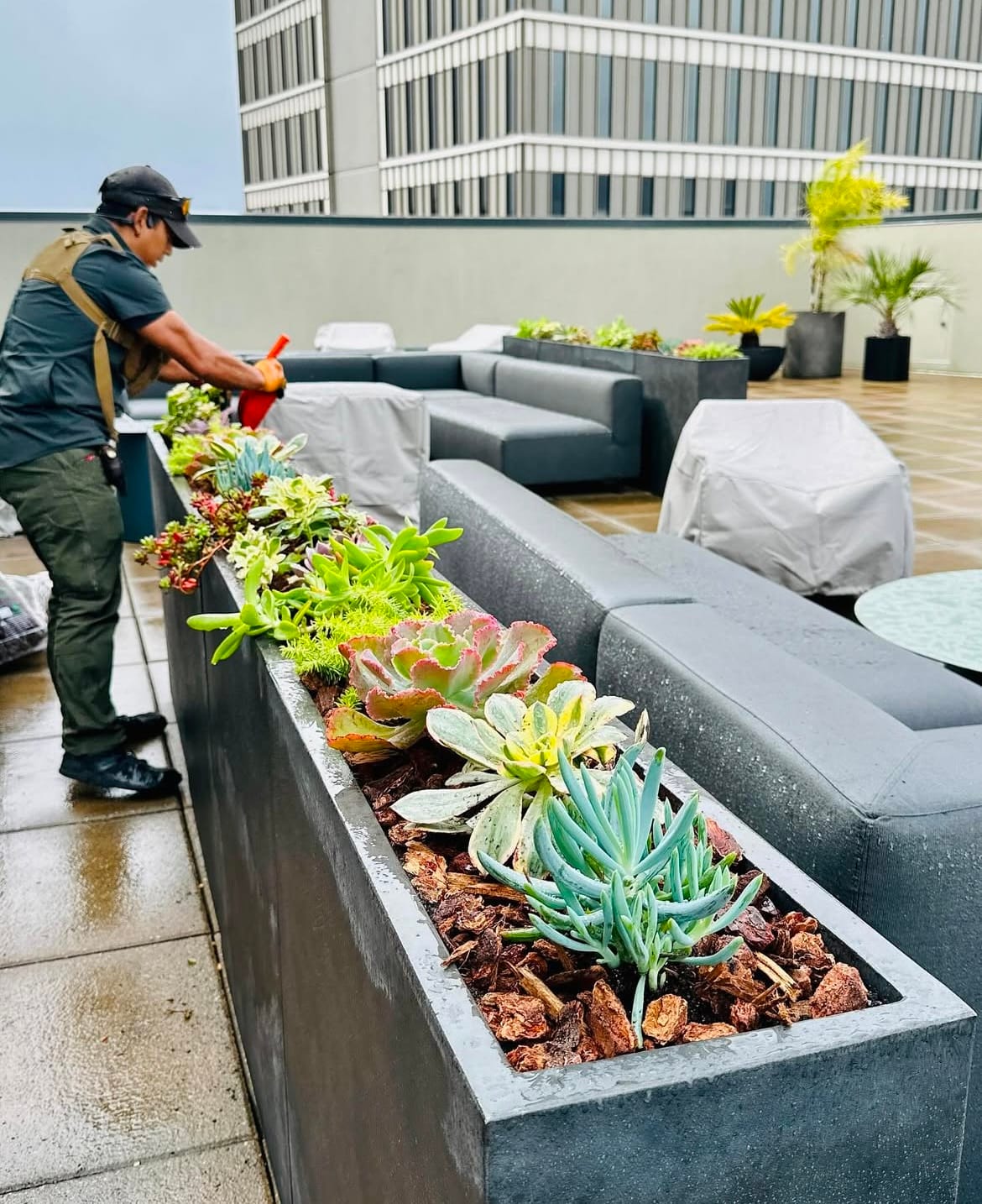
As winter fades, outdoor spaces begin to shift in subtle but important ways. Soil warms gradually, daylight extends, and plants move out of dormancy into active growth. While this seasonal change creates new opportunities for growth, it also requires careful preparation to support plant health during the transition.
From a professional perspective, spring outdoor plants do not simply resume growth on their own. They respond to changes in temperature, moisture, and light, all of which need to be managed thoughtfully. A well-planned transition helps reduce stress on plants and encourages stronger, more consistent development throughout the season.
After months of colder conditions, plants enter spring in a fragile state. Roots may still be adjusting to changing soil temperatures, and above-ground growth can be sensitive to sudden environmental shifts.
This early stage is critical. Rushing the transition or overlooking key factors can lead to uneven growth, delayed recovery, or increased vulnerability to pests such as aphids, mites, and other common plant stress indicators.
A steady approach allows plants to adapt naturally. As highlighted in our resource on spring landscape planning, thoughtful preparation creates a stronger foundation for long-term outdoor success.
Healthy soil is one of the most important factors in supporting spring outdoor plants. After winter, soil conditions can vary widely depending on moisture levels, compaction, and nutrient availability.
Preparing the soil properly helps create a stable environment for plants as they begin their active growing phase. It also reduces the likelihood of uneven growth later in the season.
Plants that have been sheltered during colder months need time to adjust to outdoor conditions. Sudden exposure to full sunlight, wind, or temperature fluctuations can cause stress.
This gradual approach helps plants build resilience. It also allows for closer observation, making it easier to identify any issues before they become more serious.
As plants begin to grow more actively, maintenance becomes an important part of the transition process. Early care helps shape how plants develop throughout the season.
Spring is also a time when pests become more active. Aphids and mites, for example, are often drawn to new growth. Keeping an eye on these early signs helps maintain plant health and reduces the risk of larger issues.
For those working with limited space, our blog post on container garden ideas highlights how thoughtful planning can support plant growth even in compact environments.
Transitioning plants successfully is not just about the first few weeks of spring. It involves maintaining a consistent approach as conditions continue to evolve.
A structured care strategy allows plants to develop more evenly and remain resilient throughout the season. It also helps prevent common problems that can arise from inconsistent maintenance.
Spring is a time of renewal, but it also requires careful attention to detail. When plants are transitioned thoughtfully, they are better equipped to grow, adapt, and thrive in changing conditions.
If you want to create a more balanced and well-prepared outdoor space, connecting with The Wright Gardner can help you explore solutions designed for healthy and lasting plant growth.
Office greenery has become an essential part of modern workspaces. Plants bring visual balance, improve…
Spring is a natural starting point for refreshing outdoor spaces. As temperatures rise and growth…
Balconies often serve as valuable extensions of living spaces, especially for tenants in apartments or…
Indoor plants add life, color, and balance to interior environments. Whether placed in homes, offices,…
Modern offices often prioritize open layouts that encourage collaboration and flexibility. While these spaces support…
Indoor workspaces often contain pollutants that originate from building materials, office equipment, and everyday activities.…