
Office greenery is part of the visual language of a workplace. Plants soften hard surfaces, bring movement into structured interiors, support wayfinding, and help reception areas, conference rooms, and shared spaces feel more considered. When plants decline, however, the design can quickly look uneven, neglected, or disconnected from the rest of the environment.
Professional plant care protects more than individual specimens. It preserves the original design intent by keeping foliage healthy, containers clean, placement balanced, and each installation suited to the conditions around it. Trained technicians evaluate water, light, soil, airflow, traffic, pests, and disease together. Their observations help keep each display aligned with the workplace over time.
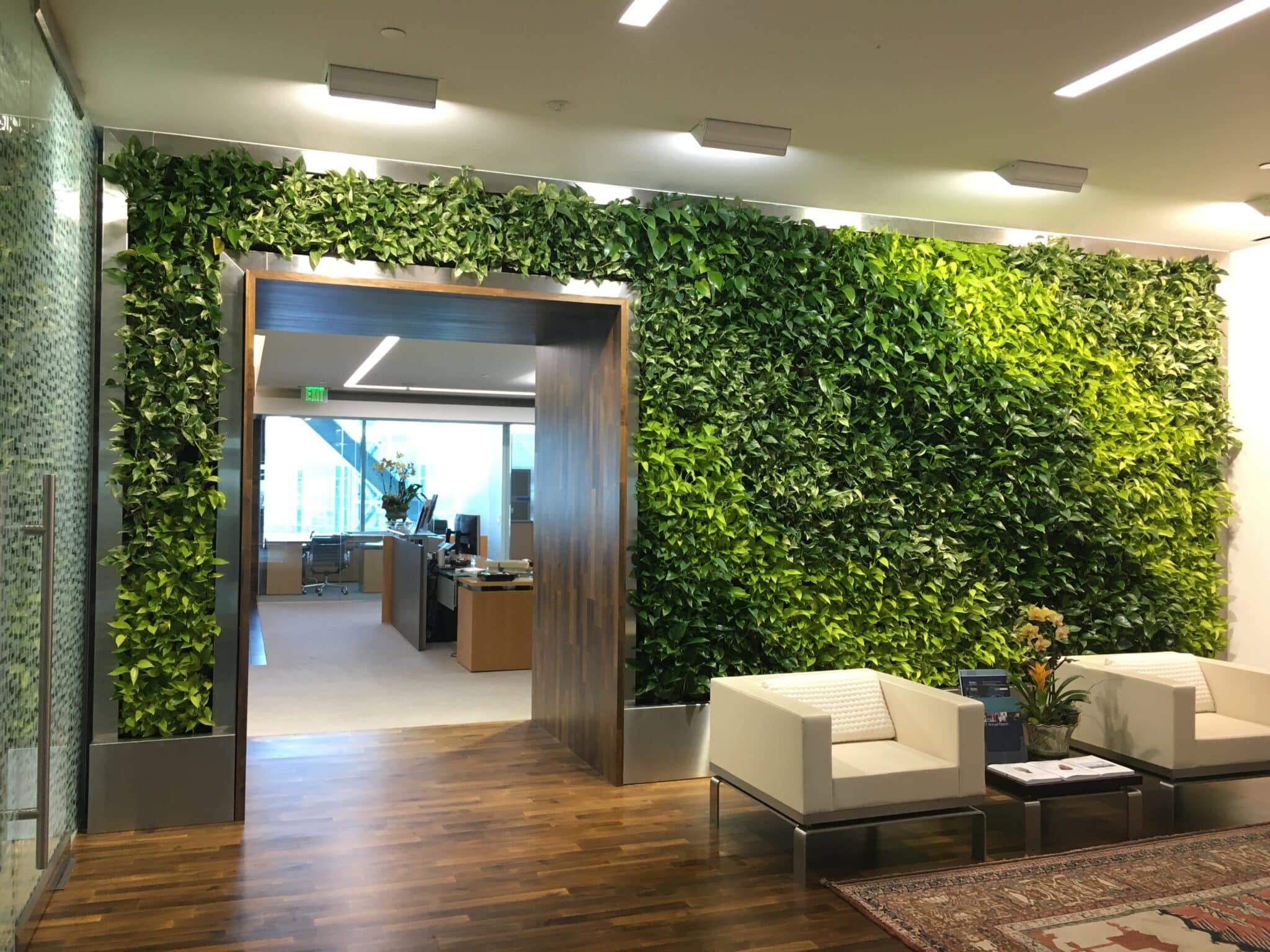
Healthy Plants Preserve The Intended Visual Balance
Plant design depends on proportion, form, color, and placement. A tall specimen may anchor a lobby, while smaller plants can soften workstations or guide movement through a shared area. Yellow leaves, bare stems, uneven growth, or declining plants disrupt that balance and draw attention for the wrong reasons.
Professional maintenance may include:
- Watering according to plant type, container size, and current conditions
- Fertilizing at suitable intervals without forcing weak growth
- Pruning and trimming to preserve shape, scale, and clearance
- Rotating plants when uneven light affects their form
- Replacing declining specimens when recovery is no longer realistic
Instead of appearing like separate decorative objects, healthy plants continue functioning as part of the overall office composition.
High-Traffic Areas Need More Responsive Care
Lobbies, corridors, waiting areas, and shared entrances place plants under greater physical and environmental pressure. Passing guests may brush foliage, bags can strike containers, doors create changing airflow, and tracked-in dust can settle on leaves. The guidance on summer lobby care shows why busy spaces require more than a fixed watering routine.
Technicians look for bent stems, compacted soil, damaged leaves, unstable containers, and signs that placement is interfering with circulation. They can clean foliage, reshape plants, adjust positioning, and recommend replacements that better tolerate the location.
Plants should support the room without narrowing walkways, blocking sightlines, or looking worn during periods when clients and employees see them most.
Light, Water, And Soil Must Stay In Balance
Even a well-designed plant installation can decline when office conditions change. Seasonal sun angles, tinted windows, heating and cooling systems, furniture moves, and nearby construction can alter the environment. Professional plant care accounts for these changes before visible decline becomes severe.
Technicians routinely assess:
- Direct sun that may scorch leaves or overheat containers
- Low-light corners that produce weak, stretched growth
- Dry airflow from vents or repeated temperature fluctuations
- Soil that remains too wet, becomes compacted, or dries unevenly
- Containers with drainage, root-space, or moisture-retention concerns
Watering is adjusted to the actual plant and site rather than handled as a one-size-fits-all task. Soil protection, fertilization, pruning, and rotation can then support healthier growth without compromising the clean, controlled look expected in a professional office.
Sun Exposure Can Change The Design Over Time
A plant selected for bright, indirect light may struggle when strong afternoon sun begins reaching it for several hours. The discussion of direct sun stress explains how bleached foliage, crisp edges, faded color, and rapid drying can affect both health and appearance.
Simply adding more water may not solve the problem and can create new root issues. Professionals consider whether the plant should be rotated, moved, shaded, or replaced with a species better suited to the exposure. They also evaluate how any change affects symmetry, sightlines, and the relationship between nearby containers.
This is where horticultural knowledge protects design quality. The goal is not merely to keep a struggling plant alive. It is to maintain a polished arrangement that continues to fit the space as light conditions evolve.
Consistent Maintenance Protects The Design Investment
Office plant programs include more than the cost of the plants themselves. Containers, installation, living walls, moss designs, floral elements, and coordinated placement all contribute to the finished environment. Inconsistent care can shorten plant life and gradually weaken the visual impact of the original investment.
A complete maintenance plan may provide:
- Scheduled watering, fertilization, pruning, and foliage cleaning
- Pest and disease prevention based on early signs
- Soil evaluation and protection for long-term plant health
- Prompt attention when a plant or container changes condition
- Guaranteed replacement support for covered declining plants
A technician familiar with the property can recognize subtle changes in light, traffic, growth, and plant performance. Issues can be corrected before an entire display looks tired or mismatched.
Professional plant care allows office design to remain intentional after installation day. Healthy foliage supports color and texture, clean containers reinforce presentation, and balanced growth keeps each arrangement aligned with the room. With informed maintenance and timely adjustments, office greenery can continue enhancing the workplace instead of becoming another design element that requires emergency attention.
Keep The Design Living And Polished
Contact The Wright Gardner for professional plant care, watering, fertilization, pruning, cleaning, pest prevention, and long-term office greenery support.