
As winter fades, outdoor spaces begin to shift in subtle but important ways. Soil warms gradually, daylight extends, and plants move out of dormancy into active growth. While this seasonal change creates new opportunities for growth, it also requires careful preparation to support plant health during the transition.
From a professional perspective, spring outdoor plants do not simply resume growth on their own. They respond to changes in temperature, moisture, and light, all of which need to be managed thoughtfully. A well-planned transition helps reduce stress on plants and encourages stronger, more consistent development throughout the season.
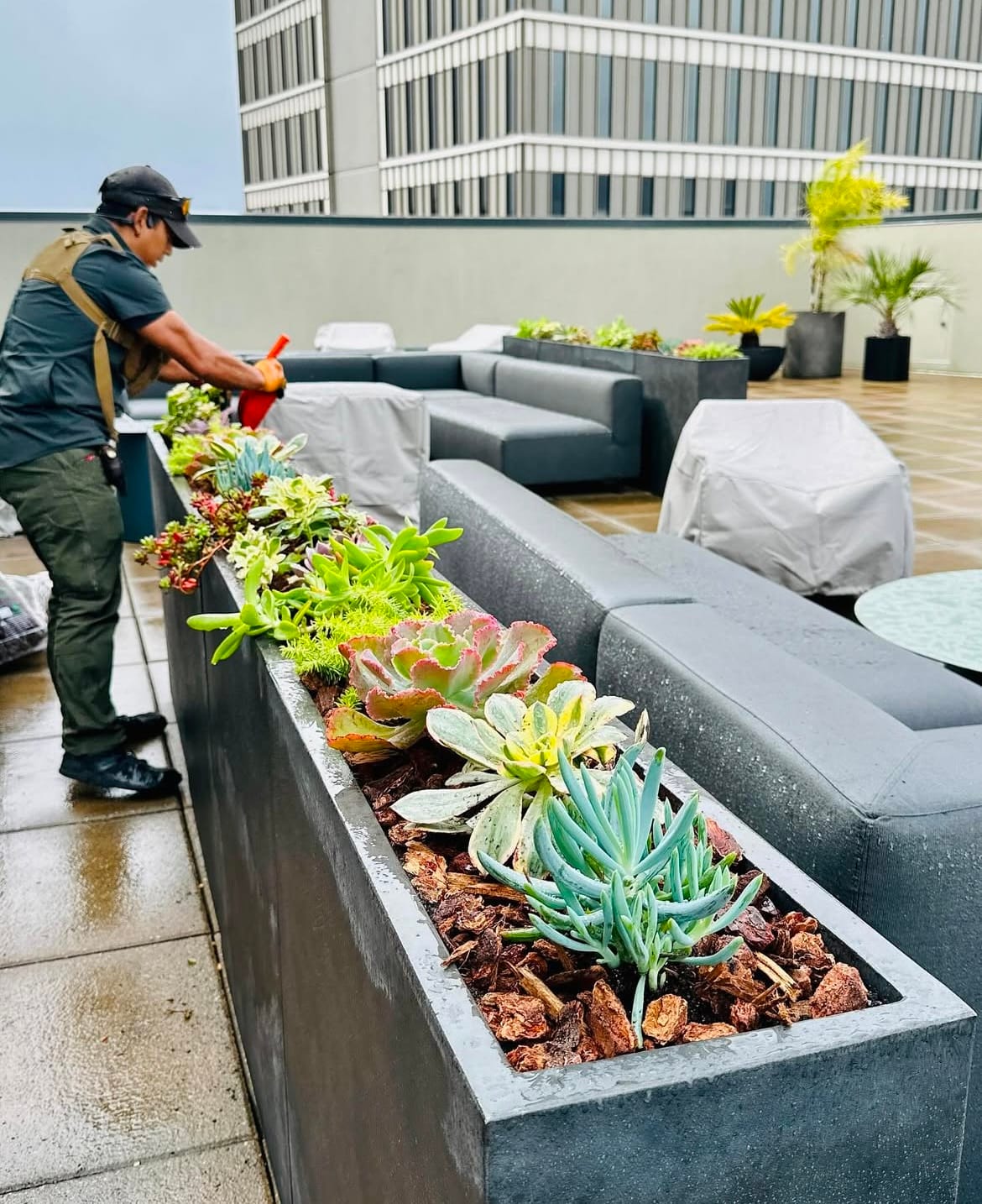
Understanding What Plants Need After Winter
After months of colder conditions, plants enter spring in a fragile state. Roots may still be adjusting to changing soil temperatures, and above-ground growth can be sensitive to sudden environmental shifts.
This early stage is critical. Rushing the transition or overlooking key factors can lead to uneven growth, delayed recovery, or increased vulnerability to pests such as aphids, mites, and other common plant stress indicators.
A steady approach allows plants to adapt naturally. As highlighted in our resource on spring landscape planning, thoughtful preparation creates a stronger foundation for long-term outdoor success.
Preparing Soil and Planting Areas
Healthy soil is one of the most important factors in supporting spring outdoor plants. After winter, soil conditions can vary widely depending on moisture levels, compaction, and nutrient availability.
- Loosen compacted soil. This improves airflow and allows roots to expand more easily.
- Remove debris and dead material. Clearing leftover plant matter helps prevent disease and pest activity.
- Check drainage conditions. Proper drainage ensures roots do not sit in excess moisture.
- Refresh nutrients. Adding organic material supports early plant growth and recovery.
Preparing the soil properly helps create a stable environment for plants as they begin their active growing phase. It also reduces the likelihood of uneven growth later in the season.
Gradually Reintroducing Plants to Outdoor Conditions
Plants that have been sheltered during colder months need time to adjust to outdoor conditions. Sudden exposure to full sunlight, wind, or temperature fluctuations can cause stress.
- Increase sunlight exposure slowly. Gradual changes help prevent leaf damage.
- Monitor temperature changes. Early spring weather can still shift unexpectedly.
- Adjust watering patterns. Plants may require different moisture levels as conditions change.
- Protect against wind exposure. Sudden gusts can impact delicate new growth.
This gradual approach helps plants build resilience. It also allows for closer observation, making it easier to identify any issues before they become more serious.
Managing Growth and Preventing Early Issues
As plants begin to grow more actively, maintenance becomes an important part of the transition process. Early care helps shape how plants develop throughout the season.
- Prune damaged or weak growth. Removing these areas supports healthier development.
- Monitor for pest activity. Early signs of insects can often be addressed before they spread.
- Support new growth. Staking or guiding plants helps maintain structure.
- Maintain consistent care routines. Regular attention helps plants adapt more smoothly.
Spring is also a time when pests become more active. Aphids and mites, for example, are often drawn to new growth. Keeping an eye on these early signs helps maintain plant health and reduces the risk of larger issues.
For those working with limited space, our blog post on container garden ideas highlights how thoughtful planning can support plant growth even in compact environments.
Creating a Consistent Care Strategy for the Season
Transitioning plants successfully is not just about the first few weeks of spring. It involves maintaining a consistent approach as conditions continue to evolve.
- Establish regular watering schedules. Consistency helps prevent stress from over or under-watering.
- Monitor soil health over time. Nutrient levels and structure may need adjustment.
- Observe plant responses. Changes in color or growth can indicate underlying issues.
- Adapt care as conditions change. Weather patterns and sunlight levels continue to shift.
A structured care strategy allows plants to develop more evenly and remain resilient throughout the season. It also helps prevent common problems that can arise from inconsistent maintenance.
Set the Stage for a Strong Growing Season
Spring is a time of renewal, but it also requires careful attention to detail. When plants are transitioned thoughtfully, they are better equipped to grow, adapt, and thrive in changing conditions.
If you want to create a more balanced and well-prepared outdoor space, connecting with The Wright Gardner can help you explore solutions designed for healthy and lasting plant growth.